How to submit a new freediving attraction
A guide how to improve & contribute to our freediving database
Guide How to submit a dive site or other listings (eg. freedive school)
Listing Guidance
You can create an account and directly submit listinh yourself, if you want. Direct submission allows customization such as locatuon, photo, excerpt. Otherwise we will create for you.
At navigation bar of landing page, you can see submit button:
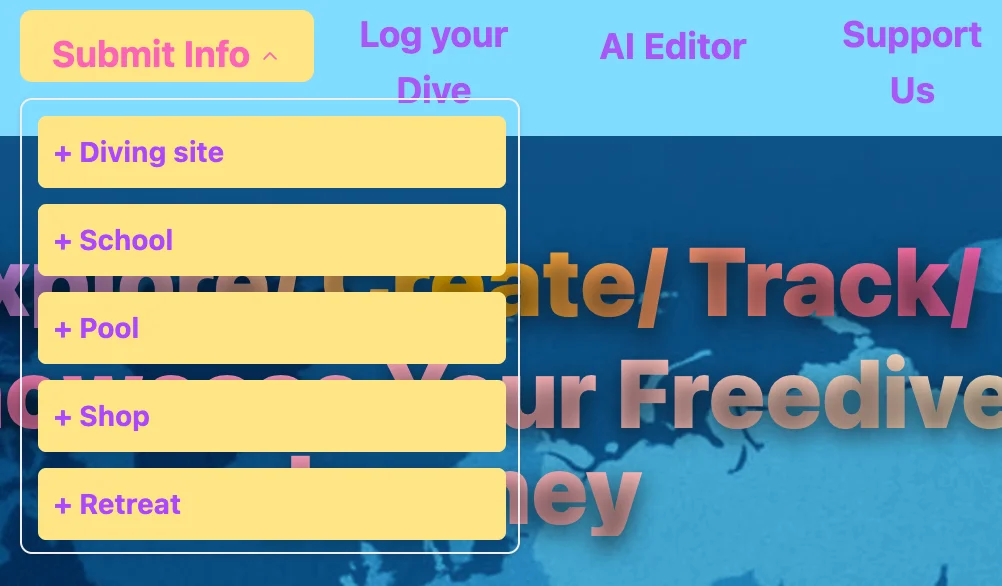
Note💡if you want to propose a new kind of listing category, you can feedback us there about us page
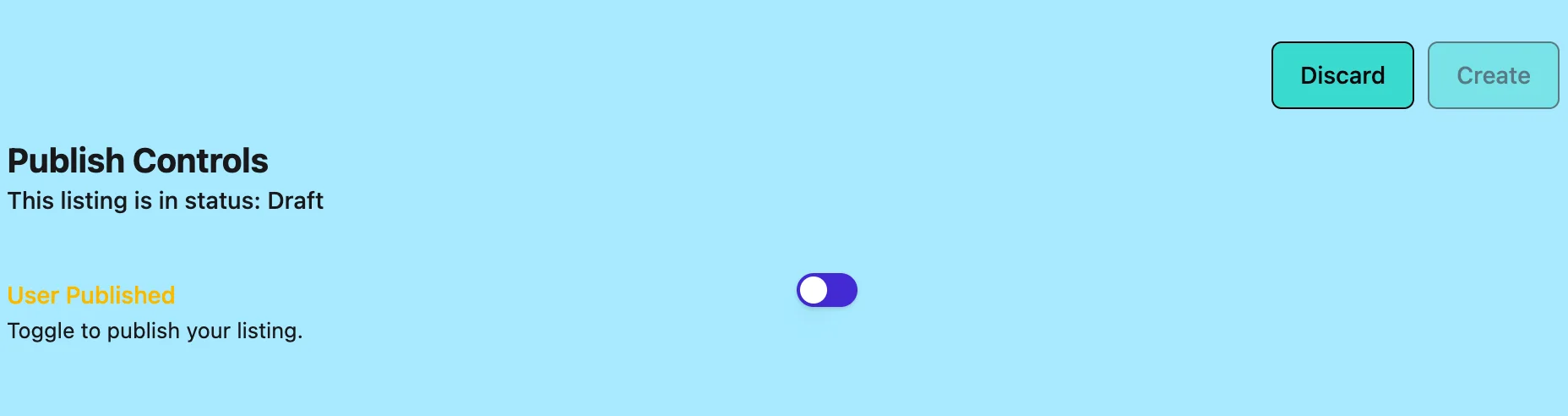
The first field is User Published. You need to toggle to anable it, so that admin/editor team can review and approve your submission. Otherwise the approver can not see your draft.
The next ones are mandatory for dive site. They are Latitude and Longitude. The unit we used is Decimal Degrees or DD (e.g. -32.006200, 115.512300) Specifically. It starts with Lat (Latitude), then Lng (Longitude).
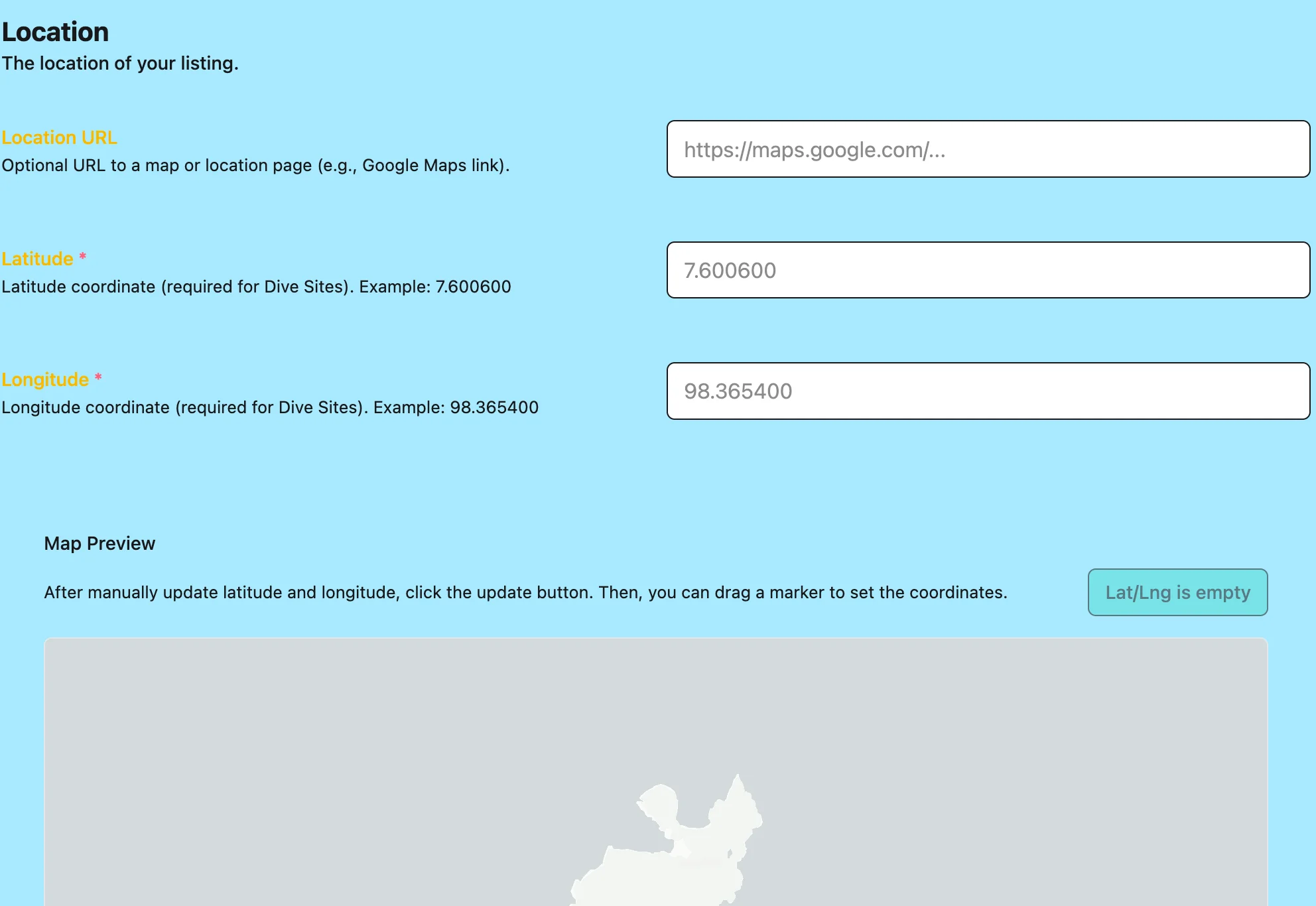
Warning💡be sure to put the
Decimal Degrees (DD)unit in decimal NEITHER inDegrees + Decimal Minutes (DMM)orDegrees, Minutes, Seconds (DMS)
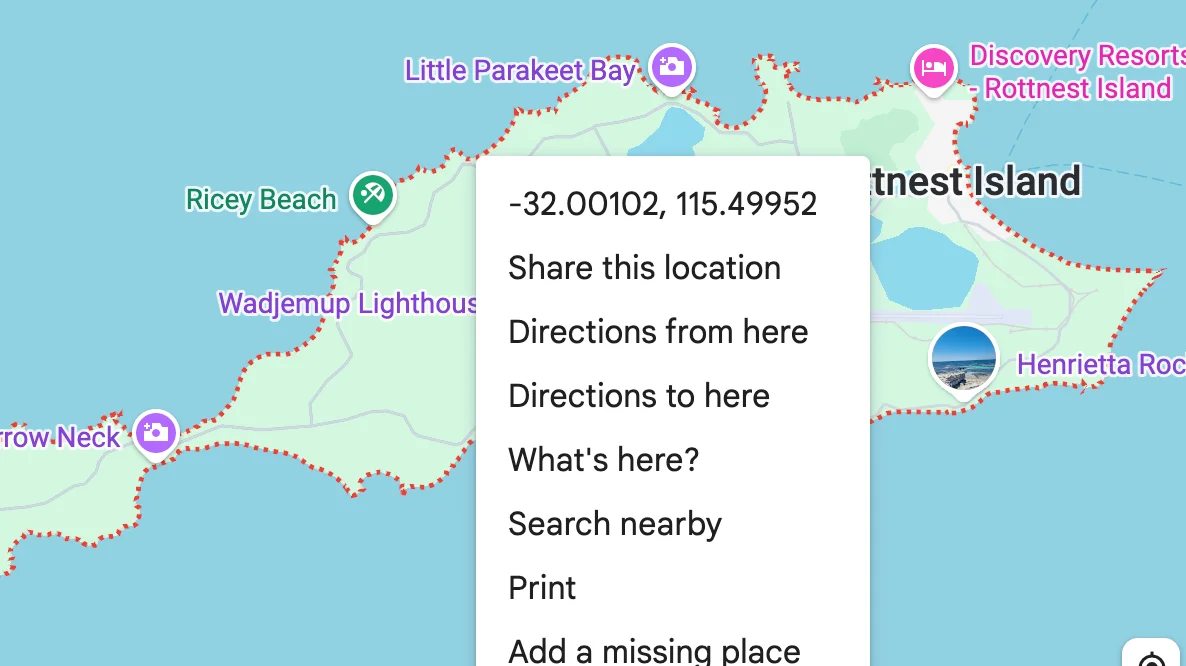
You, as shown in following picture, can verify whether your format is correct by going to your location at google map and
- Right-click (or Ctrl+Click on Mac) the exact location you want coordinates in desktop, or by
- Tap and hold the desired spot on the map to drop a red pin
These fields ate recommended but optional for freedive school and etc. However, we suggest to at least give us google map url.
Next, it is a category of the listing. It will be pre-selected if you enter this page by navigation bar link. However, if you signed in and create a customized listing, you need to select it by yourself.
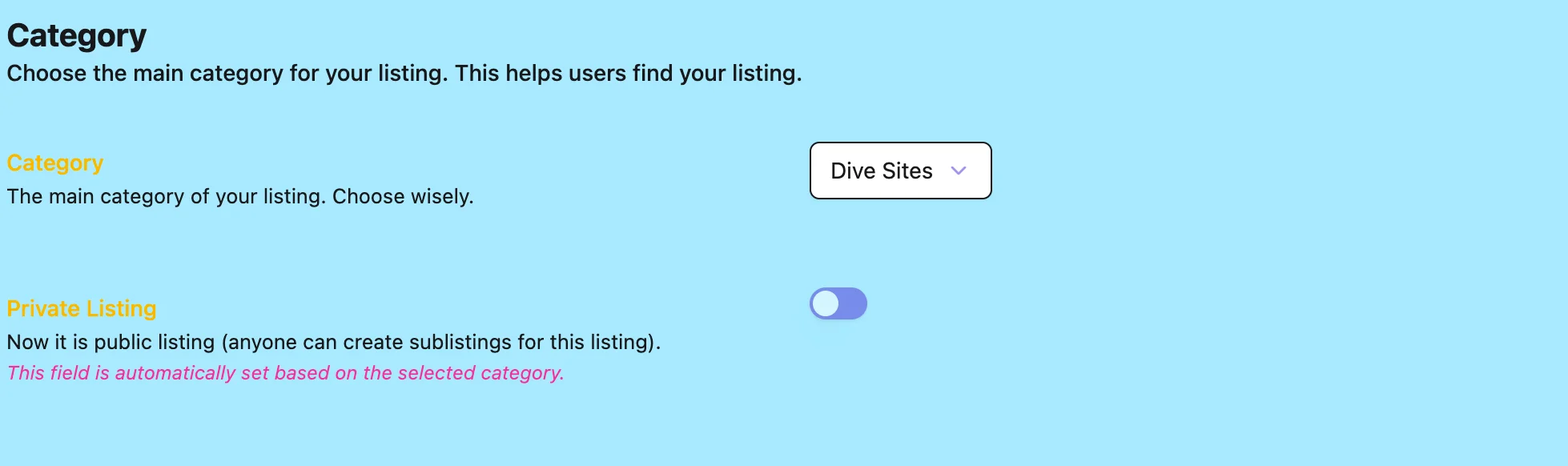
Note💡 There are public and private listing. For example, freedive schools or shops are public, because they have owner. While, dive site are public, because everyone can access it.
The key differance is that in public listing (e.g. divesite) anyone is able to create, edit, and sublisting (e.g. dive spots or wildlife). Whereas, only owner or editor have the access to public listing (e.g. freedive school).
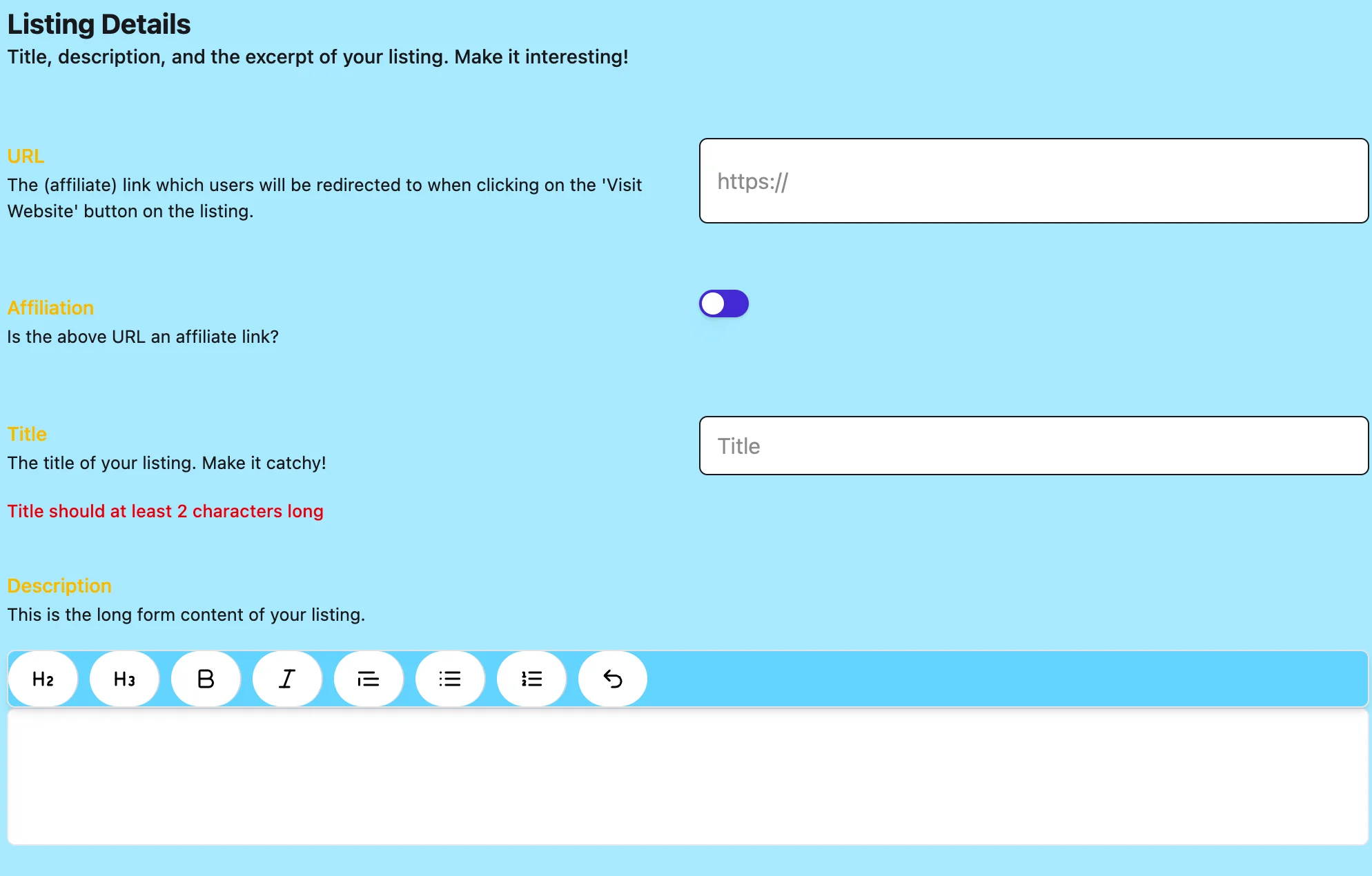
Plus, you are very recommened to add short description as excerpt, this will help our listing boost with Google 's SEO

Now, we are selecting tags for our listing. This is one of the most important piece that will help the freediver to explore our listings.
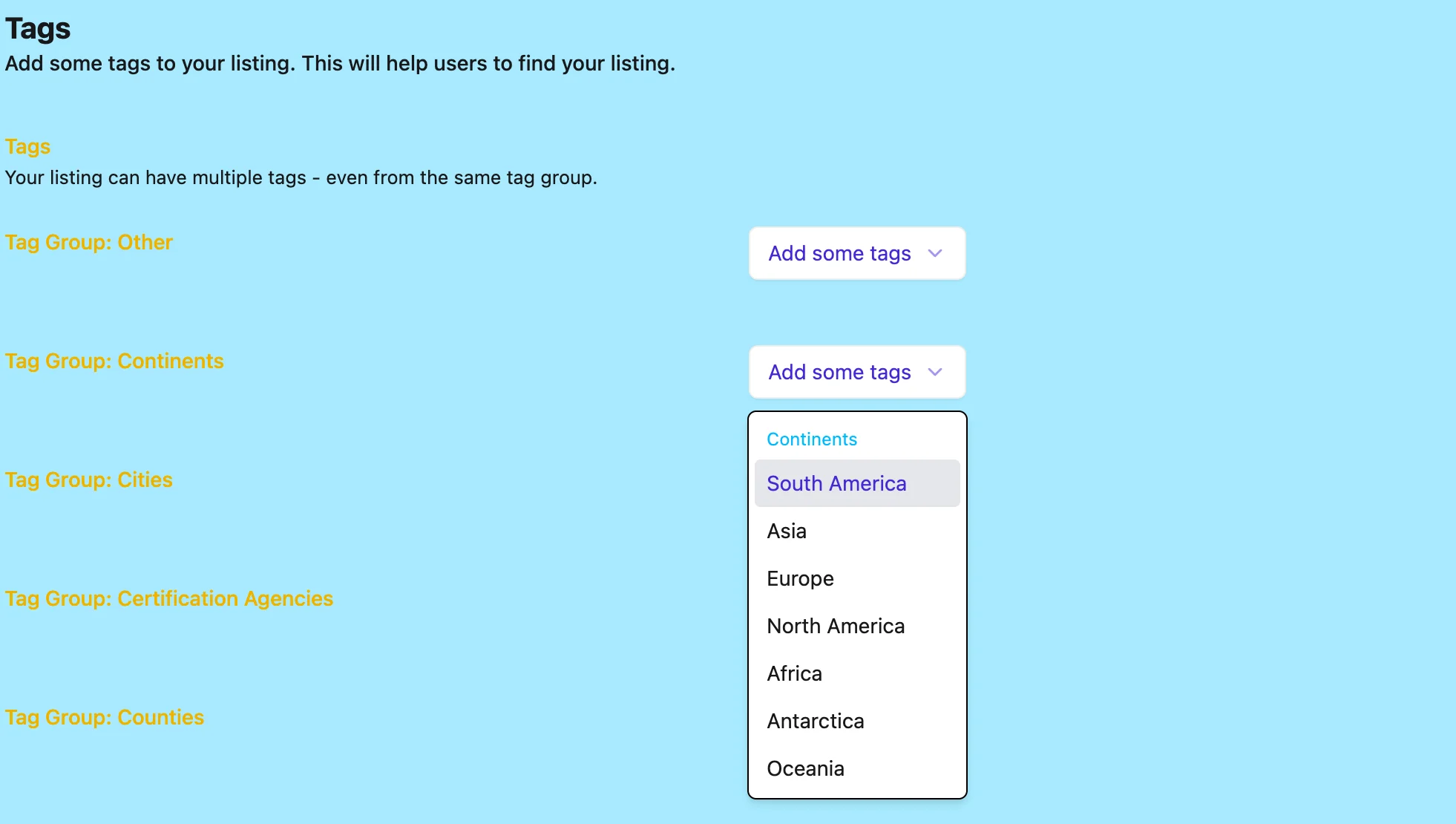
For instance , we should add all tags that are relevant to dive site 's location, like Continents -> Countries -> Cities eg. Oceania -> Australia -> Perth. As another example,schoold owners could add molchanovs tag their instructors are certified by Molchanovs agency.
Last but not least, piture are very important as it is the first thing freediver see.
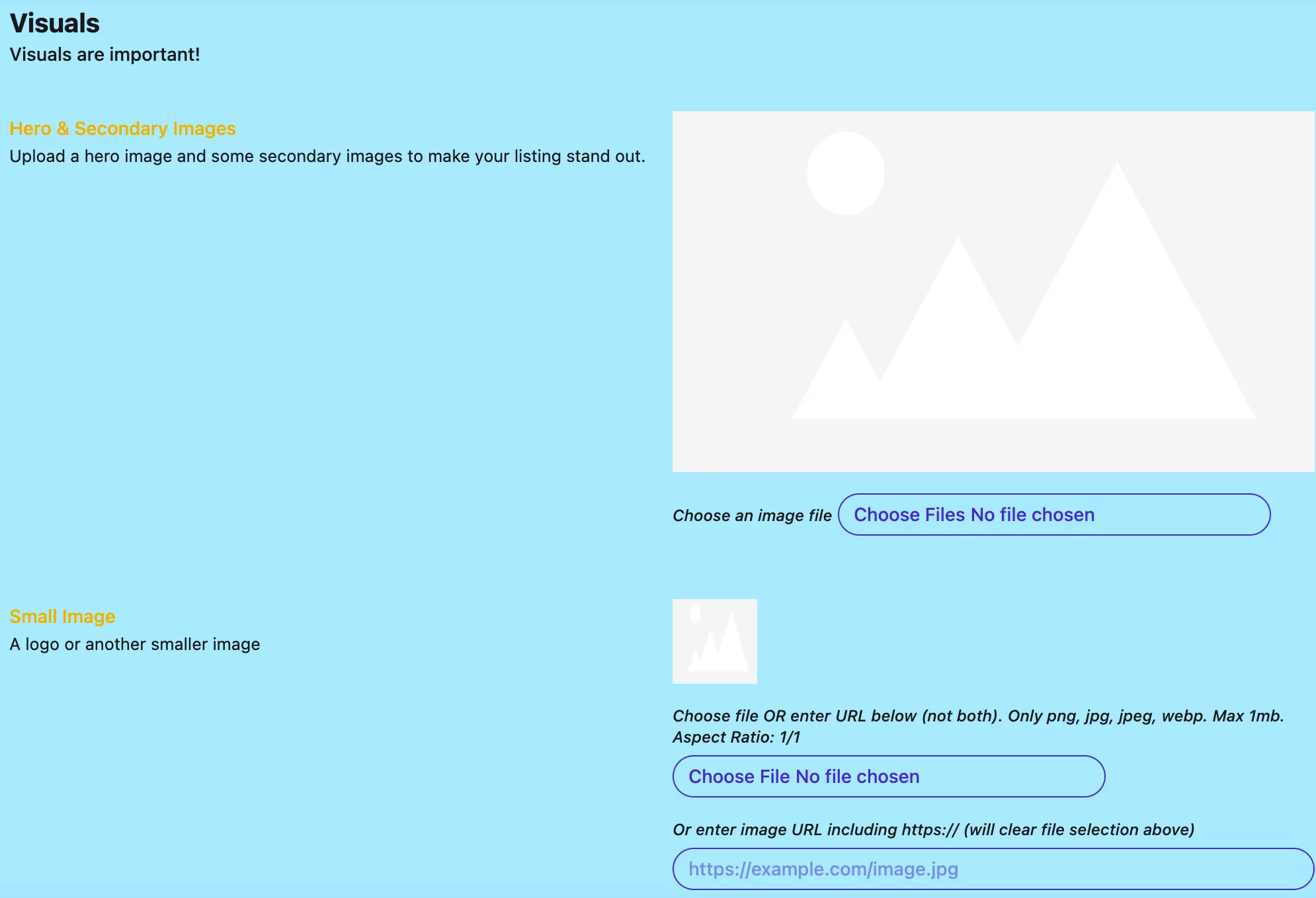
Then, click Create to submit a listing. After admin approval, your listing page will be published and, you will be able to add your sublisting to the page.
Sublisting Guidance
We can directly add and edit our sublistings in the parent listing page (eg. https://freedivelogs.com/listings/you-listing).
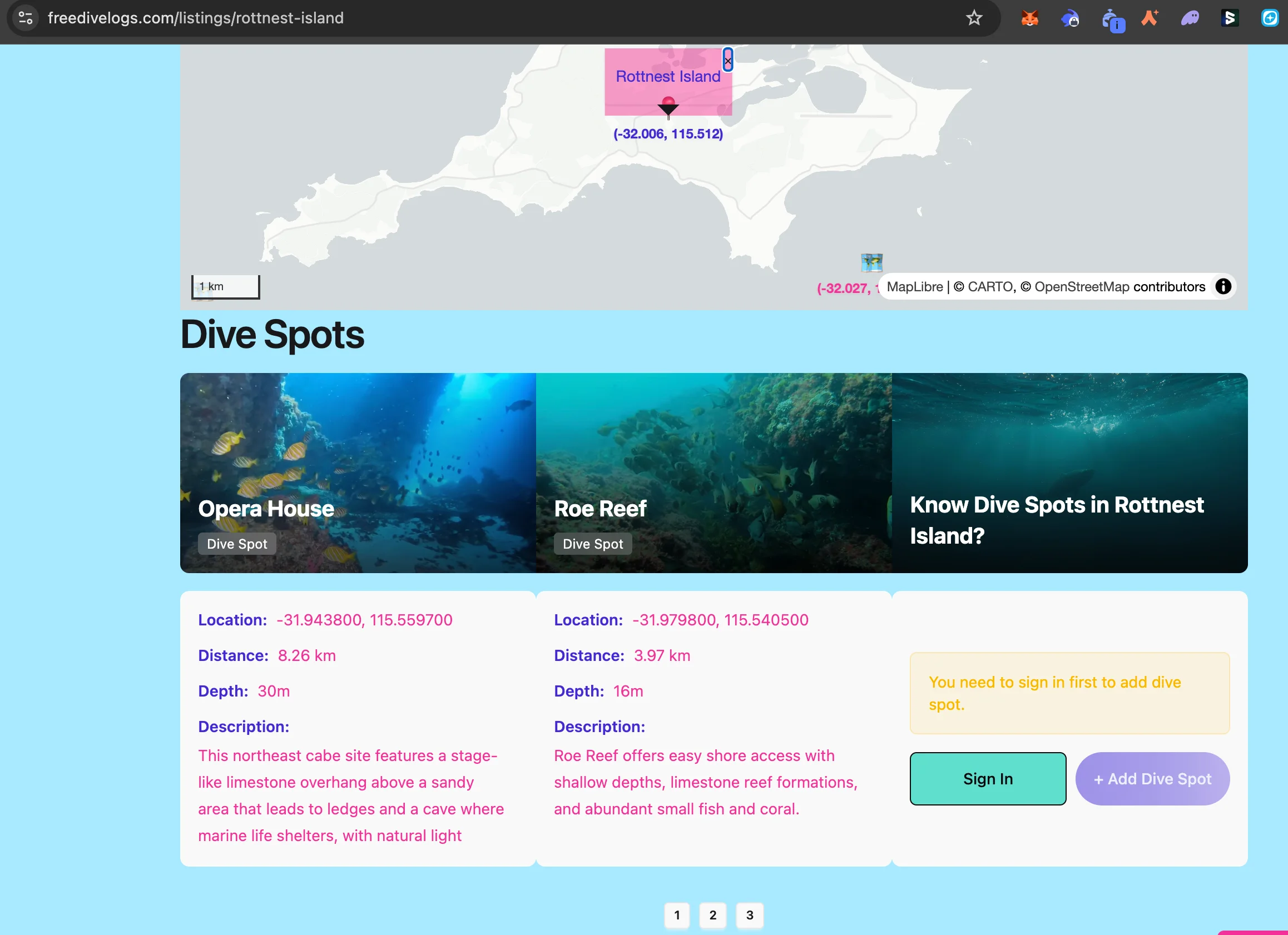
For public listing like dive site. We can add dive spots and wildlifes.
As another example for private listing, school owner will be able to add their own instructors.
Note💡if you want to propose a new kind of sublisting category, you can feedback us there about us page
Glossary
Lat and Lng
Lat (Latitude) and Lng (Longitude) are geographic coordinates used to specify the exact location of a dive site on Earth's surface.
- Latitude (Lat): Measures how far north or south a location is from the Equator. Values range from -90° (South Pole) to +90° (North Pole). The Equator is at 0°.
- Example: A positive latitude like 25.7617° means the location is north of the Equator.
- Longitude (Lng): Measures how far east or west a location is from the Prime Meridian (which runs through Greenwich, England). Values range from -180° to +180°.
- Example: A negative longitude like -118.2437° means the location is west of the Prime Meridian.
Together, these coordinates create a unique address for any point on Earth. When submitting a dive site, you'll need to provide both the latitude and longitude to help other divers find the exact location.